https://acrobat.adobe.com/id/urn:aaid:sc:US:aa7e64dc-3599-49ef-9d39-a53ca5bb8668
Recreational Equity for Marginalized Communities
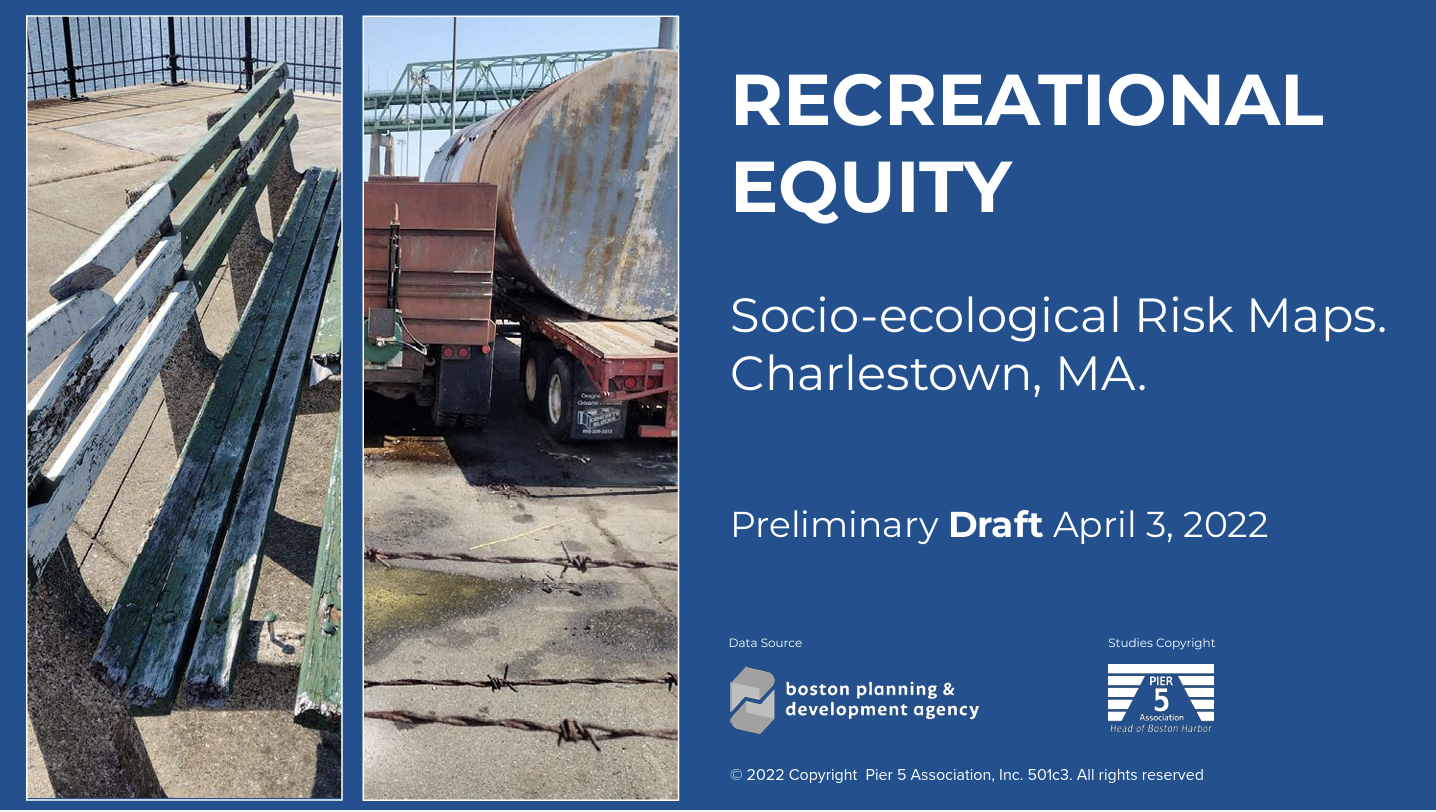
A public park on Pier 5 would provide essential recreational access to nearby affordable housing residents who face systemic barriers to waterfront enjoyment. Unlike a privatized events venue that serves transient visitors, a community park offers daily benefits: free cooling space during heat waves, safe gathering areas for families, and accessible recreational programming that builds social cohesion [1].
Return on Investment Analysis
Public parks generate substantial long-term economic returns that far exceed initial investment costs [6]. While private event venues extract profits for non-local mega corporations, community parks increase property values, reduce healthcare costs through improved public health, and create local employment opportunities. The difference is fundamental: parks build community wealth that stays local, while corporate venues extract value from Boston residents to benefit distant shareholders.
Waterfront Justice
Corporate control of waterfront space perpetuates the exclusion of working-class Bostonians from their own harbor [4]. Public park development represents true recreational equity—ensuring that Boston’s most valuable natural asset serves all residents, not just those who can afford event tickets.
Zachary Cutler
Leave a Reply