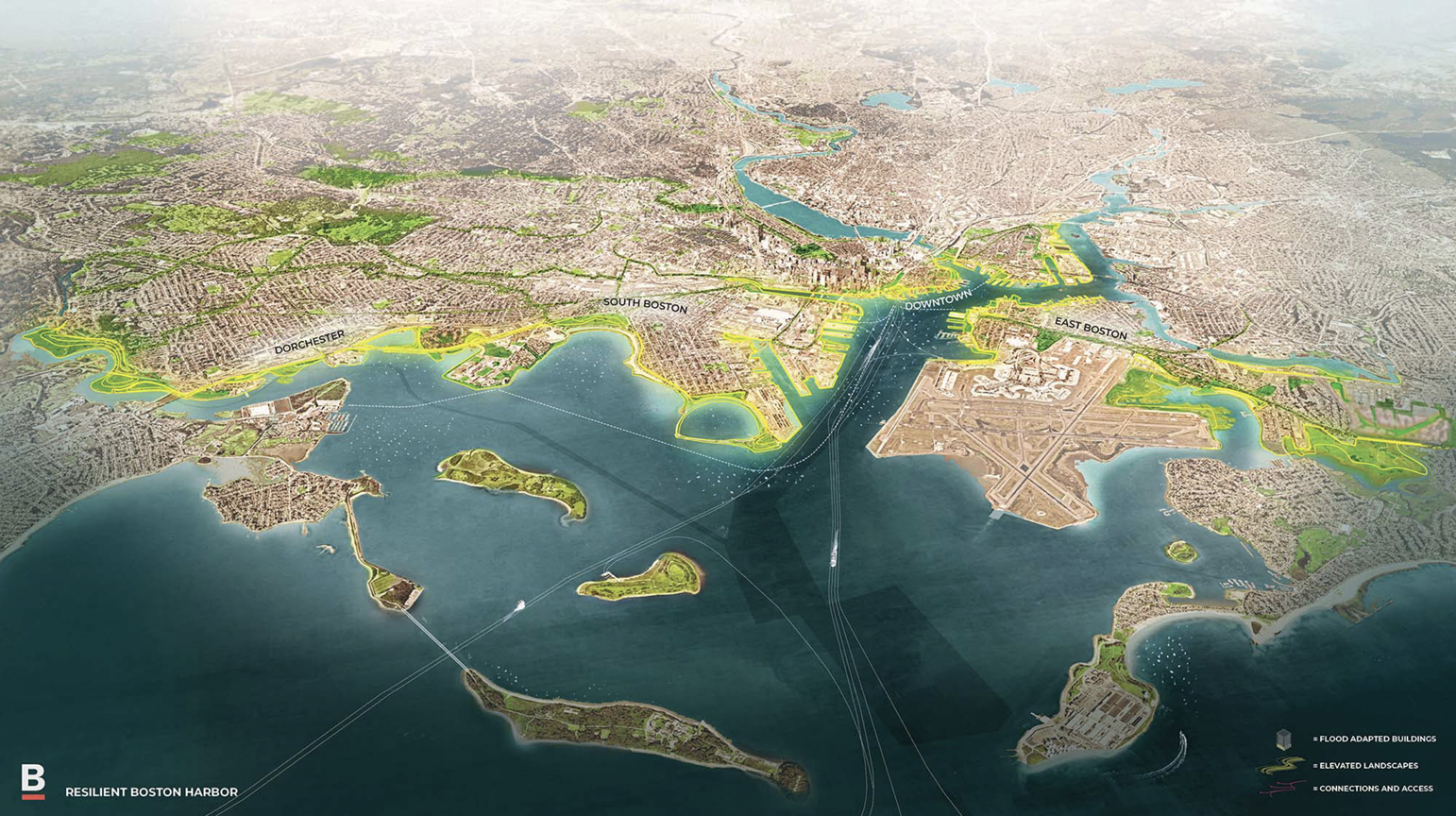
THE PARAGRAPHS BELOW SHOW THE INTENTIONS OF THE “FINAL REPORT” FOR CHARLESTOWN AND BOSTON AREA. It focuses on Downtown Boston and East Boston. Charlestown is only named 9 times contained on two separate pages. Even the title of the report does not include Charlestown in the title of the report. All links to Charlestown information are dead links. The “Final Plan” express most of the core reasons why PIER 5 SHOULD NOT BE PRIVATIZED. This is not being used by the development process unfolding following Michelle Wu dropped her efforts which she ran her campaign on and has failed blatantly and mysteriously. https://harborpark.org/2025/10/14/why-and-how-to-abolish-the-bpda-michelle-wu-when/
FROM THE REPORT NOT FOLLOWED BY THE BRA, or the CITY OF BOSTON
INFRASTRUCTURE
Many of Boston’s transportation connections are located in the Downtown area. The Central Artery Tunnel and Zakim Bridge that connect Downtown to Charlestown and the Route 1A tunnels between Downtown and East Boston are important for economic activity, evacuation, and emergency response capabilities. These are also at risk due to increased coastal flooding.
Cross-waterway connections between Charlestown, East Boston, South Boston, and Downtown may suffer from increased coastal flooding impacts and experience disruption to service between these neighborhoods, creating temporary ‘island’ effects. The Massachusetts Bay Transportation Authority (MBTA) has several subway lines and associated stations located in Downtown and the North End that connect Downtown to East Boston and Charlestown. The Blue Line Aquarium Station has already experienced multi-million-dollar damages from coastal flooding and would be exposed to a 10 percent annual chance of flooding with 21 inches of SLR (2030s). The Massachusetts Department Of Transportation (MassDOT) and the MBTA are pursuing projects to mitigate near-term coastal flooding risks to underground highway and transit infrastructure. For example, the agencies are designing flood barriers that will be deployed around Aquarium Station’s vulnerable entrances and tunnel emergency exits in advance of future floods. Some of these barriers will be located on City-owned sidewalks.
HISTORIC AND CULTURAL ASSETS
Many cherished historic assets exist today in these two vibrant neighborhoods. These include hundreds of historic buildings, many designated as City of Boston local landmarks, such as Faneuil Hall and Quincy Market, and the Blackstone Block, or listed on the National Register, including the FultonCommercial historic district and Long Wharf, among many others. Boston’s Downtown Waterfront includes the culturally significant New England Aquarium and water transportation hubs, including the ferry gateway to the Boston Harbor Islands National Park Area.
The Freedom Trail also passes through the North End and Bulfinch Triangle on its path to historic sites in Charlestown. Not only are these assets critical to sustaining Boston’s character and history, they also attract millions of tourists to Boston each year. Faneuil Hall consistently ranks among the most visited tourist attractions and landmarks in the United States. Resiliency to sea level rise impacts is fundamental to the preservation of the area’s historic resources. Without adequate flood protection, they are at risk of significant damage.
FLOOD LOSS
Based on Climate Ready Boston, expected annualized losses for Downtown make up about one-third of all those expected citywide in the near-term (with 9 inches of sea level rise) and over 20 percent of all expected citywide losses toward the end of the century (40 inches of sea level rise). Based on the existing building stock, direct physical damages to over 850 buildings, displacement costs to residents, and human stress related impacts could come close to $2 billion for a major storm event toward the end of the century.* * Note that the area behind the Charles River Dam was removed from this planning process, but included in Climate Ready Boston report statistics
Leave a Reply