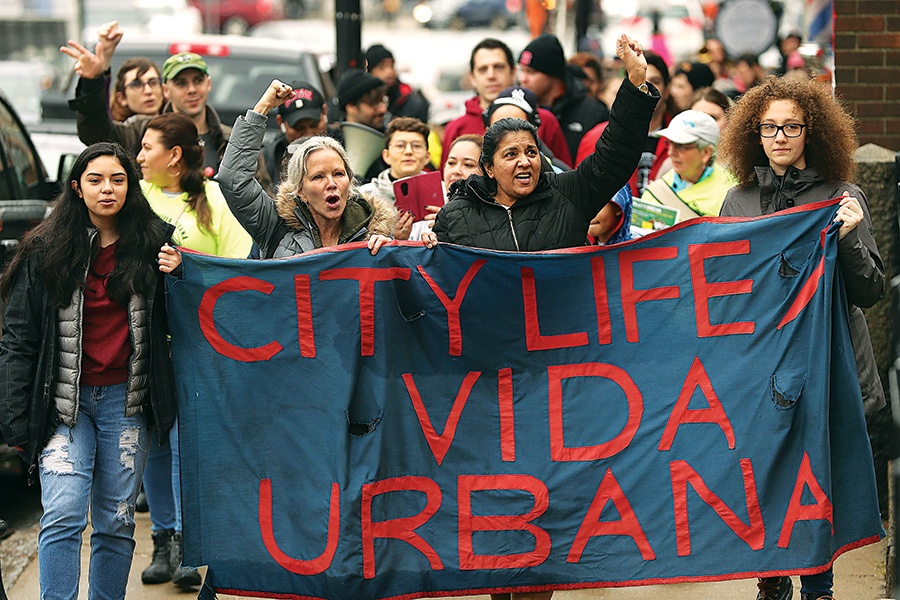
Boston’s community tensions around development stem largely from longstanding failures in the Boston Redevelopment Authority (now the BPDA). The BRA rebranded is “Doing Business As” BPDA due to public outrage and the word “Authority” was descriptive of the BRA practices. Nothing has changed since, but the name. A BRA member at one meeting said “Whatever we’re called this week”.
Key issues include:
- Market-Driven Planning – The BRA/BPDA has historically deferred to market forces, allowing developers broad control. This approach fueled skyrocketing housing costs and displacement, widening inequality across neighborhoods .
- Corporate Influence – Repeated failures to curb corporate sway over land use decisions left many residents feeling sidelined. Communities often perceive projects as catering to developers rather than to public needs .
- Lack of Transparency & Engagement – Critics highlight weak community engagement, inadequate impact studies, and insufficient transparency in decision-making. This deepens mistrust and fractures among neighborhoods, with activists stepping in to fill the void .
In short, Boston’s fractured community ties reflect a pattern of planning missteps, weak oversight, and prioritization of private over public interests, all of which undermine trust in city redevelopment processes.
Leave a Reply