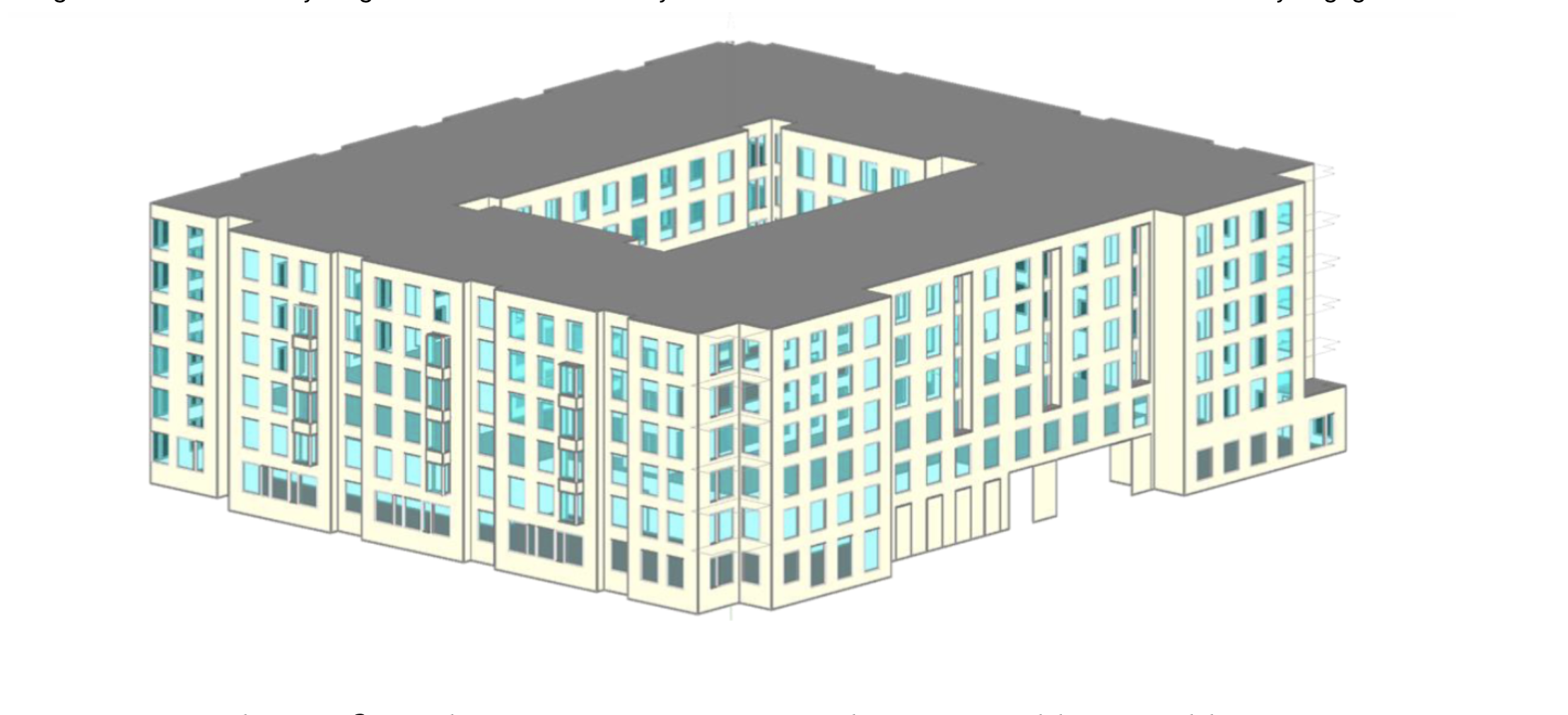
Dear Charlestown Residents-
Please submit comments TODAY regarding 201 Rutherford Ave which is the Bunker Hill Mall / Whole Foods.
Send comments to sarah.peck
The project is too big, massive, not what Charlestown needs nor wants – and is out of scale and insensitive to our historic community and urban village. Feel free to use anything included below if it suits you- since the BPDA denies residents a true community engagement.

201 Rutherford Avenue/Bunker Hill Mall Executive Summary – For the Record
This correspondence reflects a clear and consistent message from Charlestown residents: the community is asking for planning, context-sensitive design, family housing, real open space, and honest engagement — and believes the BPDA, the developer, and lead architect have not listened.
At the center of the concern is a basic issue of trust. Residents argue that the project team repeatedly presents legal compliance as if it were a special public benefit, when in fact many of the cited items — affordable housing at the required threshold, streetscape upgrades, utility connections, ADA improvements, traffic mitigation, reduced parking ratios, and high-performance sustainability measures — are baseline obligations under Boston policy, zoning, and Article 80 review. In the community’s view, describing these requirements as “benefits” misleads the public and weakens the credibility of the process.
The correspondence also shows a deep concern that the proposal is out of scale, out of context, and out of step with Charlestown’s identity. Residents describe the building as too massive for Austin Street and incompatible with the neighborhood’s urban village character, historic setting, and role as the gateway to Boston’s first neighborhood, and site of the first battle of teh American Revolution.
The proposal is seen not as architecture rooted in Charlestown, but as a generic building that could be placed anywhere. Community members reject claims that the design respects local history or architectural traditions, and they specifically object to the lack of meaningful response to the area’s historic significance, views, civic landmarks, and established streetscape.
A major substantive concern is that the project does not meet the housing needs the community has identified. The proposed unit mix is dominated by 70% of teh "dwelling" (A misinformation term) studios and one-bedrooms, while residents repeatedly state that Charlestown needs larger family-oriented housing, especially three- and four-bedroom homes. The proposal prioritizes churn and market efficiency over long-term neighborhood stability. This disconnect is cited as evidence that the development team is not responding to actual community needs.
The correspondence also highlights strong opposition to the project’s treatment of open space, trees, and the public realm. Residents do not view the proposed plaza, replacement plantings, or perimeter landscaping as a meaningful gain. Instead, they see the project as reducing existing permeable green space and replacing it with a more urbanized, harder, and more controlled environment. They want a greener, quieter, and more generous Austin Street frontage: tree-lined sidewalks, flowering landscape, pervious surfaces, preserved view corridors, and a true public green at the heart of the site.
In short, the community is asking for a real gateway, not a private building mass with incidental landscaping.
Another recurring theme is the demand for a master plan rather than piecemeal approvals. Residents argue that this site sits on land shaped by urban renewal, (and the original LDA is NOT provided) in a climate-vulnerable corridor, and along a publicly funded reconstruction of Rutherford Avenue. Because of that history and public investment, the community members believe the site should not be treated as an isolated permitting exercise. Instead, it should be planned comprehensively, with full transparency about infrastructure capacity, traffic impacts, land disposition restrictions, flood risk, neighborhood fit, and cumulative development effects. The correspondence frames incremental approval without such planning as a continuation of past planning failures in Charlestown.
The letters also reflect frustration with what residents describe as misinformation, omission, and dismissive responses. Specific examples include disagreements over the meaning of “dwelling,” the characterization of “public benefits,” the portrayal of landscaping as providing shade, the suggestion that the design meaningfully reflects historic Charlestown, and the implication that consultation with preservation authorities supports a historically sensitive outcome. Whether or not each point is accepted by the applicant, the larger community conclusion is unmistakable: residents feel they are being managed rather than heard.
Finally, the correspondence shows that the community does not oppose improvement; it opposes badly conceived improvement imposed without listening.
Please reconsider a positive alternative vision: family-sized townhouses along Austin Street, underground parking, substantial community green space, widened sidewalks, long planted edges, preservation of sightlines to important civic landmarks, authentic materials, and architecture worthy of Charlestown’s significance.
Charlestown deserves an investment that strengthens the neighborhood rather than overwhelms it.
Bottom line
The community’s message is that this proposal does not reflect meaningful community engagement. The BPDA, the developer, and lead architect David Manfredi have not incorporated the community’s stated priorities: appropriate scale, family housing, real open space, historic sensitivity, transparency, and planning before permitting. The result is a project widely perceived not as a public-minded neighborhood improvement, but as a private development seeking discretionary approvals while offering little beyond what the law already requires.
Please listen – and design a Master Plan first with the community of Charlestown- and do not provide what is not needed and not wanted. This is not a Charlestown Gateway – this does not work:

Leave a Reply